

About Us
Based on the resource reuse technologies and expertise we have cultivated through our paper manufacturing business, we are promoting initiatives aimed at achieving resource reuse, decarbonization and proper waste management. We aim to reduce the environmental impact of society as a whole by using wood chips and waste plastics as fuel in our paper manufacturing process and by utilizing a wide range of locally generated waste as new raw materials and resources.
Resource Reuse
- Our challenge in material recycling
-
Through our paper manufacturing business, we have long contributed to resource reuse. Today we are expanding beyond paper recycling into a wide range of materials recycling, including metals, plastics and glass.
We strive to make full use of resources to help build a sustainable future.
Metal
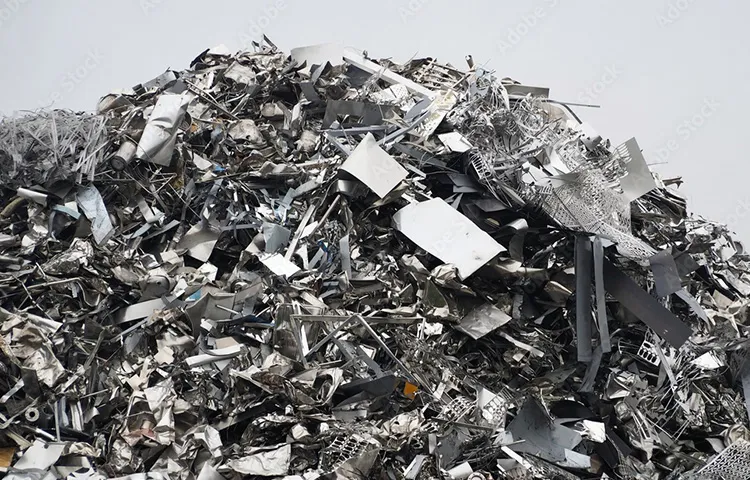
Waste generated at plants and construction sites, as well as household appliances and electronic equipment from homes and offices, is dismantled, crushed and sorted into ferrous and non-ferrous materials such as iron, aluminum and copper, as well as precious metals such as gold, silver and palladium. These materials are then reused as metal resources through smelting and refining processes.
Plastic
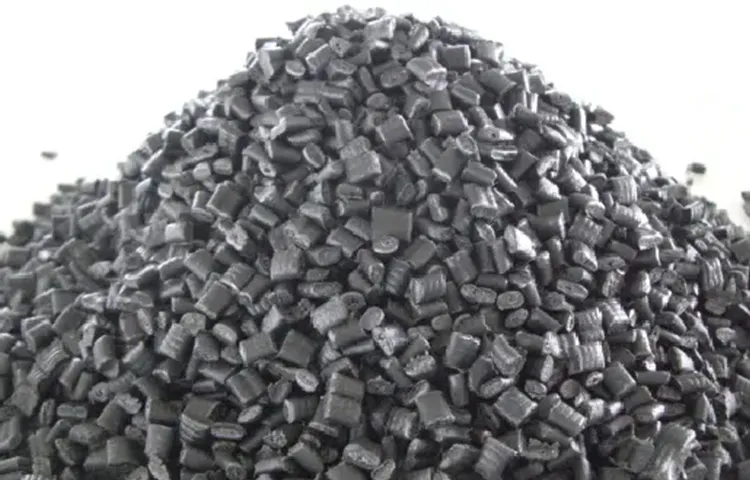
We use specialized equipment to sort mixed waste plastics by material type. This enables us to produce recycled materials that meet quality requirements for use as raw materials in new plastic products such as household appliances and bicycle parts.
Glass
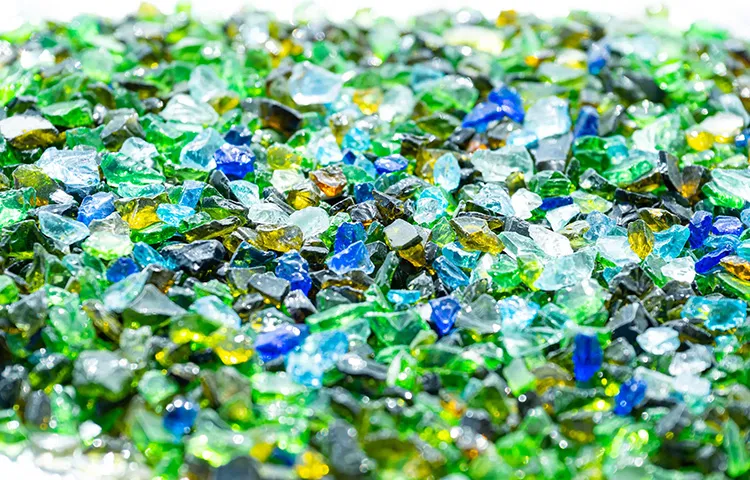
We collect colored glass that is difficult to recycle back into bottles, as well as used glass products, and crush and sort them to manufacture an alternative to natural sand, sold under the product name Sand Wave G. This material has higher water permeability and better compaction properties than natural sand and is used on construction sites.
Crushed stone
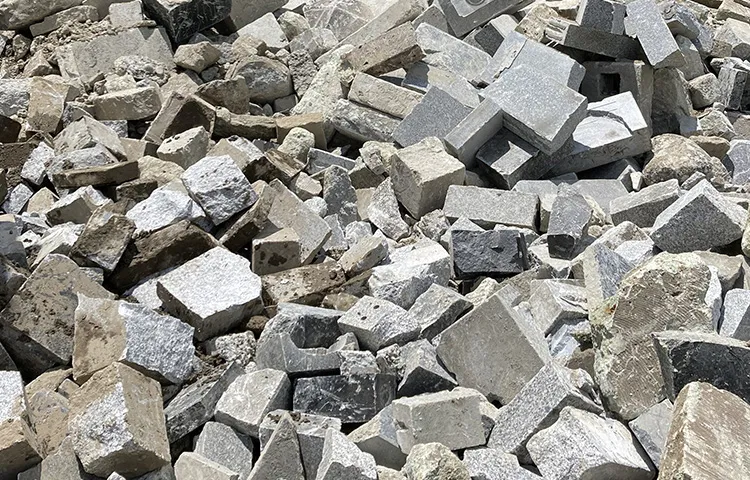
We produce recycled crushed stone for use as roadbed material by crushing waste concrete and asphalt generated from demolition and road construction work, as well as discarded natural stone such as garden stones or gravestones.
Decarbonization
- Contributing to decarbonization through biomass boilers
-
Paper manufacturing is an energy-intensive process. By using fuels derived from biomass and waste instead of fossil fuels such as oil and coal, it is possible to reduce CO2 emissions.
At the Tokushu Tokai Paper Group, we manage the entire process in an integrated manner from the collection of waste used as fuel and the production of fuel, to its use at our own facilities. In this way, we contribute to stable and sustainable resource reuse. We are committed to making effective use of waste that is difficult to recycle by recovering it as energy, thereby contributing to the realization of a decarbonized society.
Manufacture and use of RPF and biomass fuel
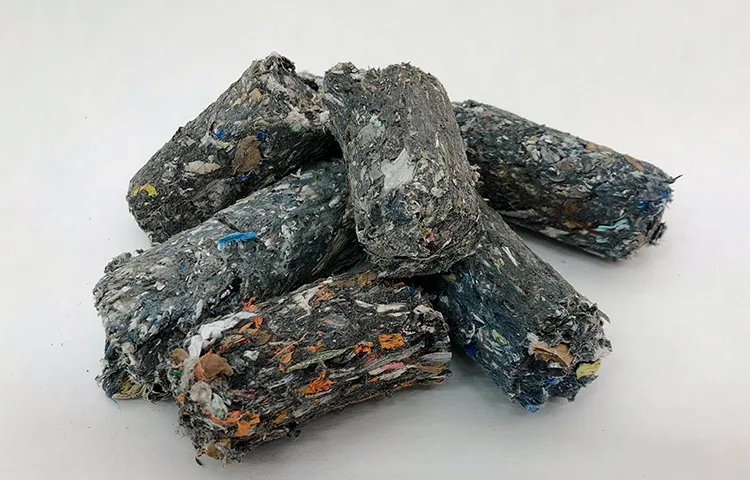
RPF (Refuse Paper & Plastic Fuel) is a solid fuel made mainly from waste paper and waste plastics that are difficult to recycle. In addition, wood waste that cannot be used as raw materials for paper manufacturing or construction is utilized as biomass fuel. We procure or produce these fuels for use at our paper manufacturing plants and for sale to customers.
CO2 reduction results

We are actively working to reduce CO2 emissions through initiatives such as the early adoption of biomass boilers. As a result, our 4 main production sites (Tokushu Tokai Paper Manufacturing, Shin-Tokai Paper, Try-Fu, and Tokushu Tokai Ecology) reduced CO2 emissions in FY2022 by 30.4% compared to FY2013.
Initiatives to optimize electricity use
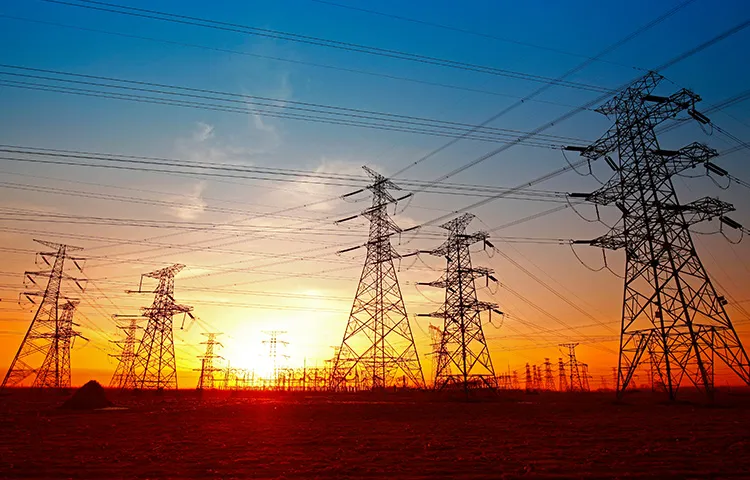
With the growing use of solar and wind power, maintaining a balance between electricity supply and demand has become a major challenge. In order to make full use of solar power without wasting energy, we believe it is important for consumers such as manufacturing plants to adjust their electricity usage through demand response. In anticipation of the 2023 amendments to the Energy Conservation Act, our Group launched this initiative in FY2022, ahead of many others and has achieved significant results.
Proper Waste Management
- Responsibility for proper waste management
-
Proper waste management is one of the most fundamental and important responsibilities of our Group, which is engaged in waste management and recycling.
We take every stage of waste management seriously, from collection and transport to treatment and recycling and remain committed to minimizing our impact on the environment.
While recognizing the limitations of recycling, we continue to pursue technological innovation and new initiatives to help create a better society.
Waste collection and transportation
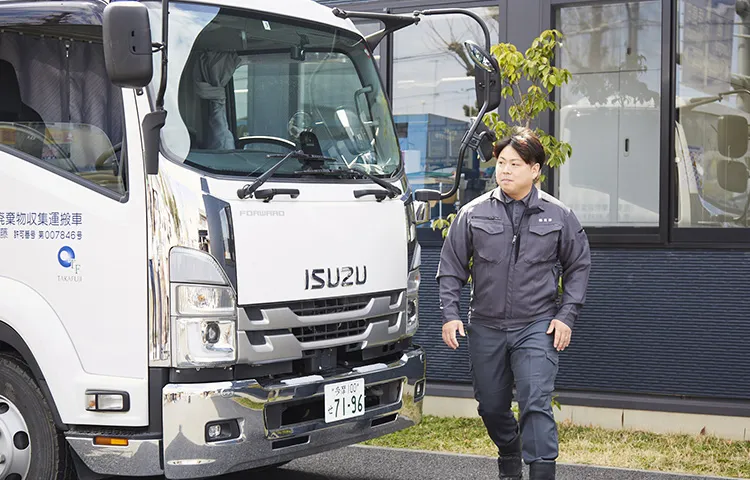
For effective recycling, it is essential to collect waste efficiently and transport it to appropriate recycling facilities in a timely manner. Our Group operates a fleet of approximately 200 vehicles, collecting and transporting industrial waste from construction sites and business facilities, as well as household waste, in cooperation with local municipalities and our operating bases.
Intermediate waste treatment
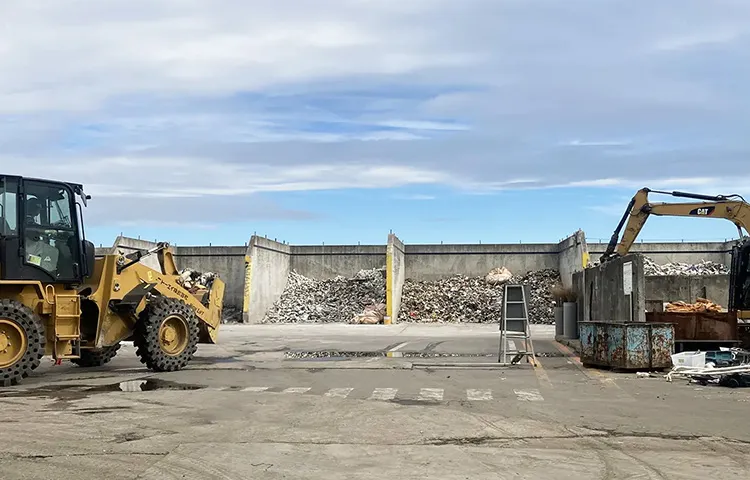
Intermediate treatment refers to processes such as crushing, sorting and compacting waste to make it suitable for reuse or recycling. We are working to improve recycling and resource recovery rates through the introduction of advanced sorting equipment.
Waste that is unsuitable for recycling is properly treated through incineration or landfill disposal.